
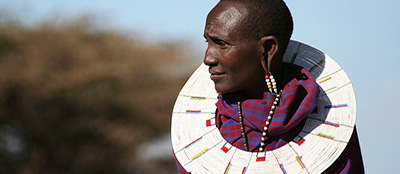
Key findings: The protection of intangible cultural heritage has increased in prominence in recent years. Natural disasters and man-made disasters have destroyed and threatened much tangible and intangible cultural heritage (e.g. building typologies and skills, handicraft traditions, communal livelihoods and traditions, social relationships and ecological balances). Much of ...» more
Social Development
Gender Inequality in Bangladesh
In the past thirty years, Bangladesh has undergone profound social changes, many of which have impacted gender inequality. Fertility rates have been halved, the gender gap in infant mortality, as well as in primary and secondary schooling, has been narrowed or closed altogether, the availability of micro-credit has boosted the solidarity of women as well as their earning ...» more
Social exclusion in Bangladesh
A large portion of the existing research on social exclusion in Bangladesh focuses on women (this is dealt with in a separate GSDRC Helpdesk Research Report on ‘Gender Inequality in Bangladesh’). Much of the remaining research focuses on ethnic minorities (indigenous peoples), who are concentrated in rural areas and variably excluded from social, political, and economic arenas. ...» more
Climate Change and Social Protection
The primary coping strategies and protection measures identified from this Helpdesk research are: Compensation mitigation measures, such as microinsurance and weather-risk crop insurance. In some cases, safety net approaches (e.g. public works, school feeding programmes) are linked to insurance payouts. Ex-ante adaptation measures, such as crop diversification (e.g. technical ...» more
Child-centred Research and Advocacy
Since the 1970’s there has been a shift from projects that focus ‘on’ children, through to projects that operate ‘with’ children in the 1990s, to the current focus on research and advocacy projects ‘by’ children. The following key findings are reiterated across several of the resources: Adults tend to be highly sceptical and suspicious of child -centred projects Power ...» more
Quotas for Women’s Representation in Africa
The success of quota systems in many African countries is largely attributed to: strong and active women’s movements; regional bodies such as the Southern African Development Community (SADC) that have adopted gender balanced representation and set quota targets for member countries; and opportunities in post-conflict and transition societies, which allowed for advances in ...» more
Governance in Tribal Environments
This query has been able to identify very few resources that focus specifically on governance systems within tribal societies. However there is a wider body of literature which discusses traditional structures of authority and leadership. Even this, however, focusses mainly on democratisation and decentralisation processes. These sources agree that in many countries, the ...» more
Drivers of Extremism
There is little consensus on what the key drivers of radicalisation and extremism are. Some scholars and policy-makers argue that an absence of participatory democracy and a legitimate arena to channel discontent contributes to extremism. However, others have found no causal connection between authoritarianism and extremism. A common finding in the literature is that while ...» more
Youth Issues in Yemen
Over 20% of Yemen’s population is aged between 15 and 24 and, according to UN estimates, by 2025 will have increased by 69% - the second fastest growth rate in the Middle East and North Africa (MENA) region. Yemen also has high rates of illiteracy and youth unemployment. Lack of employment is considered to be one of the single most important and debilitating effects of ...» more
Impact of Cash Transfers
In recent years, a number of cash transfer programmes have been implemented in various countries, most notably in Latin America. Conditional cash transfer (CCT) programmes like PROGRESA in Mexico and Bolsa Escola in Brazil, which transfer cash to poor households on condition that they send their children to school or clinic have demonstrated significant impact in improving ...» more
Social Exclusion Issues in Afghanistan
None of the literature surveyed applies the term ‘social exclusion’ to the Afghan context and most of the relevant discussion is couched in terms of ‘vulnerable groups’. These are identified primarily as women, returnees and internally displaced persons (IDPs), people with disabilities, and ethnic groups such as the Kuchi nomads. Children, the elderly and ex-soldiers are also ...» more
Gender Issues in Afghanistan
Most commentators agree there has been rapid and significant progress in many areas relating to women in Afghanistan - the Afghan government has committed itself to various international human rights instruments; gender equality is now considered government policy; significant numbers of women voted in the 2004 parliamentary elections; a ministry for women’s affairs now exists; ...» more


